Inside Echolalia: Engineering the Sound for Björk’s Masterpiece
Björk has spent a career rewriting the rules of how we experience music. Her latest international exhibition, Echolalia, is perhaps her most ambitious sonic experiment yet.
Transforming the National Gallery of Iceland into a multi-sensory landscape, the exhibition deconstructs sound down to its most granular, emotional form. But behind the magic lies a massive engineering hurdle: How do you translate a complex, 9-part choral vision into an intimate, personal listening experience for 200 people at once?
To find out, we went behind the scenes at the gallery in Reykjavík. Amidst a raw environment of exposed cables, shipping crates, and an installation in progress, we sat down with Grammy nominated engineer and musical director for Echolalia, Bergur Þórisson, to discuss how the AIAIAI TMA-2 Move became the bridge between Björk’s vision and the audience.
The heart of Echolalia centers around complex, multi-layered choral arrangements. When dealing with nine distinct vocal parts playing simultaneously, standard audio equipment simply won’t cut it. There is absolutely zero room for distortion.
"We needed something that could handle immense detail without coloring the sound," the technical director explains.
By utilizing the TMA-2’s advanced bio-cellulose drivers, the audio setup achieves ultra-low distortion and high-frequency precision. This allows visitors to isolate individual vocal frequencies in their minds, experiencing brand-new, unreleased music exactly as it was mixed in the studio.
Want a closer look at the installation? Click below to watch the behind the scenes video.

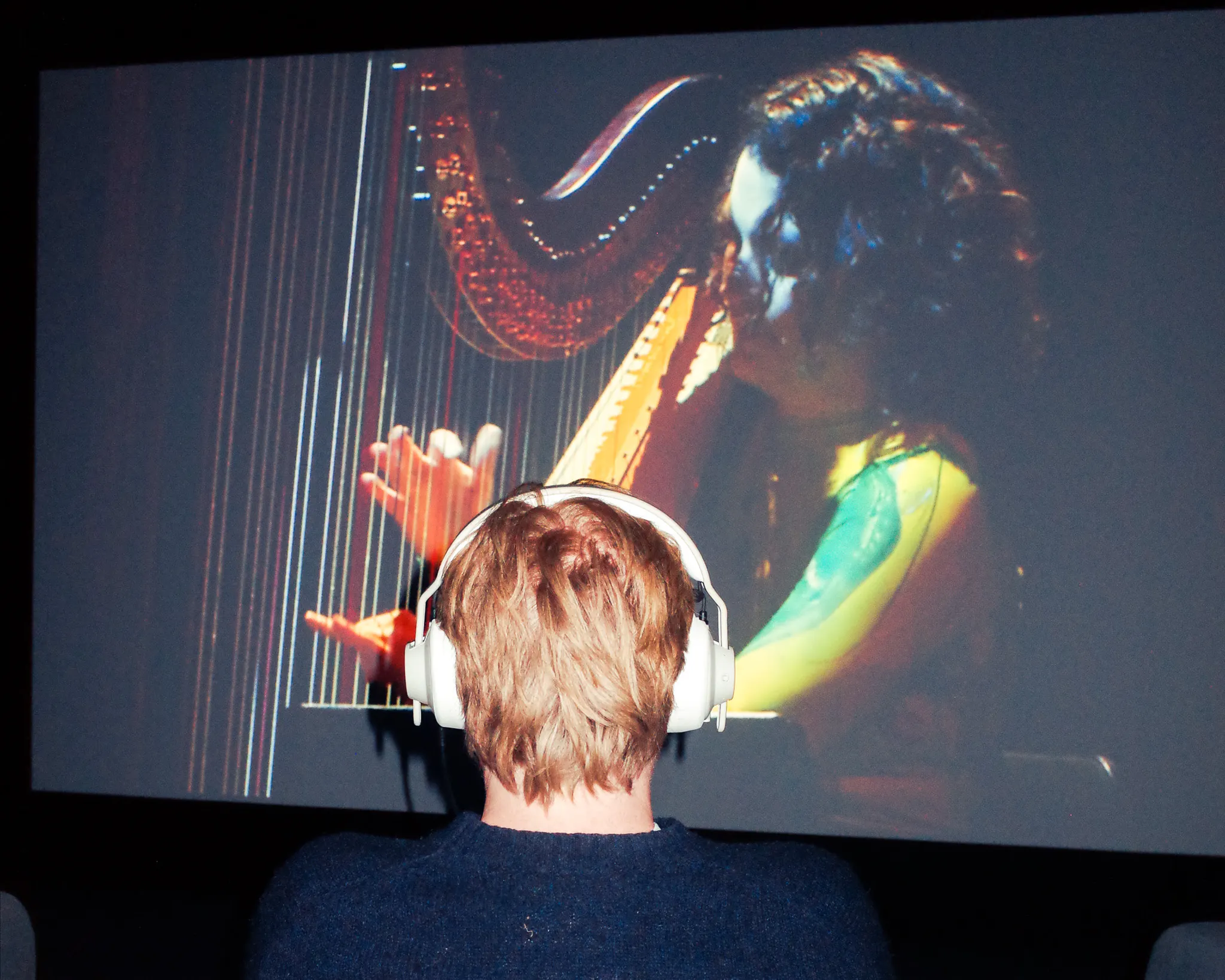
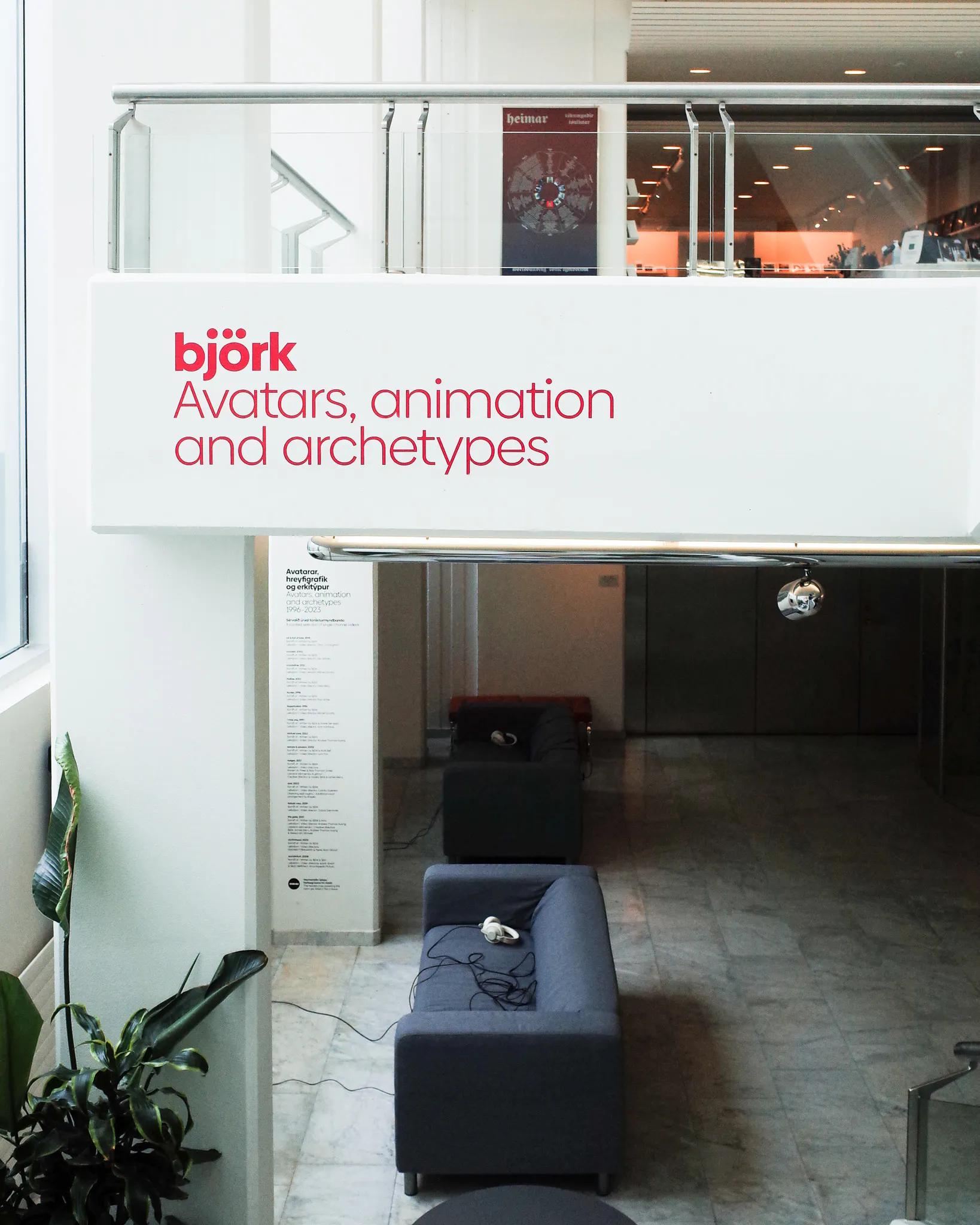
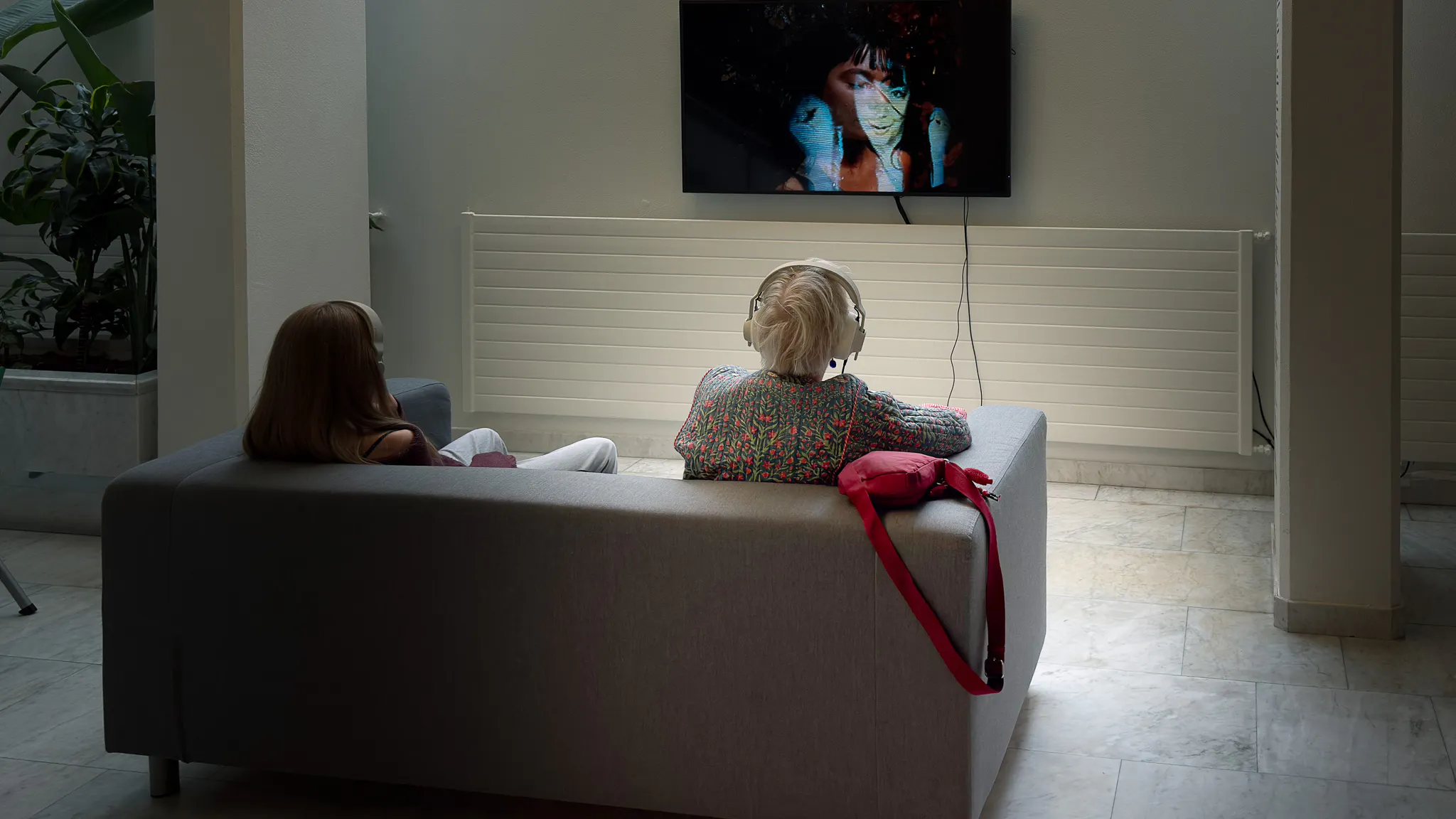
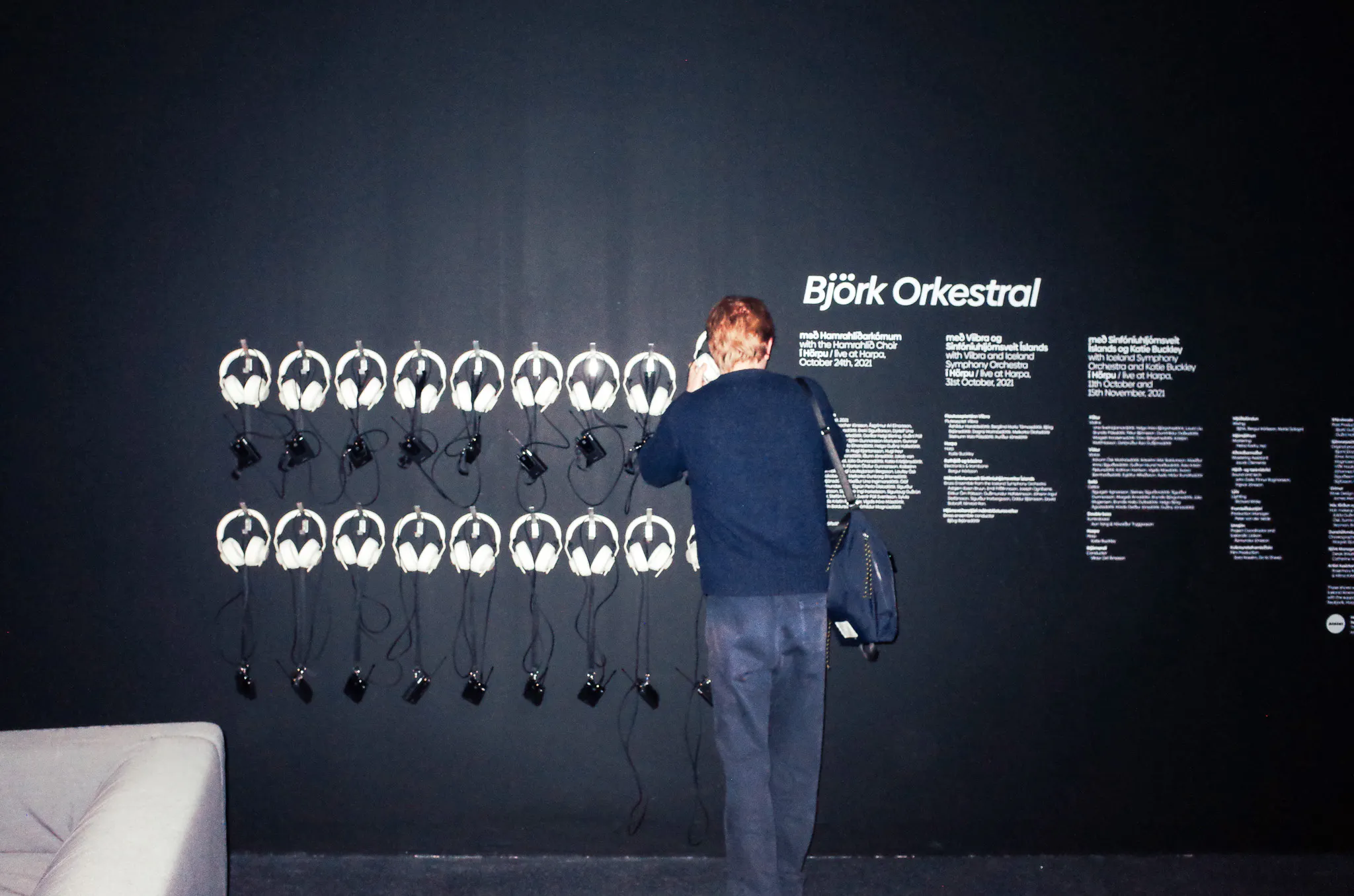
See some moments from opening weekend:

Posted on Jun 4, 2026 in Community
More Stories
Follow